Category: Uncategorised

Introduction When it comes to art, crafts, and model-making, one material that consistently stands out is balsa wood. Lightweight, easy to cut, and versatile, balsa wood has become the go-to choice for artists, students, DIY enthusiasts, and hobbyists around the world. Whether you’re building a miniature house, crafting an RC airplane, or experimenting with sculpture, balsa wood provides a balance of strength and workability that few materials can match. In this blog, we’ll explore what balsa wood is, its uses, and its benefits for creative minds. If you’re an artist or hobbyist looking for the perfect material for your next project, this guide is for you. What is Balsa Wood? Balsa wood comes from the Ochroma pyramidale tree, native to Central and South America, with Ecuador being the largest exporter. Although classified as a hardwood, balsa is among the lightest woods in the world. Its unique cellular structure is made up of tiny air-filled cells, which gives it an exceptional strength-to-weight ratio. Scientific name: Ochroma pyramidale Density: 40–340 kg/m³ (significantly lighter than most woods) Color: Pale cream to light brown Texture: Soft, straight-grained, and smooth Because of these properties, balsa has been widely used not just in crafts but also in aerospace, marine, and industrial applications. However, for the scope of this blog, we’ll focus on how artists and hobbyists can benefit from it. Why Artists and Hobbyists Love Balsa Wood Unlike hardwoods such as oak or teak, balsa wood doesn’t require heavy-duty tools. You can cut it with a craft knife, scissors, or a small saw, making it ideal for creative projects. For artists, this means more focus on design and less worry about handling difficult materials. For hobbyists, especially beginners, balsa wood is a safe and affordable entry point into woodworking and model-making. Its workability allows you to quickly test ideas, build prototypes, and refine your creativity. Uses of Balsa Wood for Artists & Hobbyists 1. Model Making and Prototyping Used in architectural scale models to replicate buildings and layouts. Common in RC airplanes, boats, and vehicles because of its lightweight nature. Helps engineers, designers, and students build quick prototypes before moving to other materials. 2. Art & Craft Projects Popular among DIY hobbyists for projects like photo frames, jewelry boxes, and decorative crafts. Can be carved and sculpted into miniature figurines or ornaments. Perfect for school art projects, where safe and easy materials are needed. 3. Educational Tools Used in classrooms to teach basic woodworking skills. Helps students learn concepts like balance, structure, and design in science projects. Ideal for creating tactile learning aids for children. 4. Creative Installations & Sculptures Artists use balsa wood for art installations, sculptures, and exhibition displays. Easy to paint, sand, and finish, allowing endless creative possibilities. 5. Hobbyist Projects Making mini furniture models for dollhouses. Building wooden puzzles and toys. Crafting boats, gliders, and hobby kits. Benefits of Balsa Wood for Artists & Hobbyists 1. Lightweight and Easy to Handle Balsa wood is incredibly light, making it perfect for models that need to fly, float, or be carried easily. 2. Soft Yet Strong Despite being soft, it has a good strength-to-weight ratio, meaning it can withstand structural use in models without breaking easily. 3. Beginner-Friendly Safe to use for children, students, and first-time hobbyists. No need for complex woodworking tools. 4. Highly Versatile Can be cut, carved, sanded, glued, or painted without difficulty. Artists can experiment with shapes and finishes. 5. Smooth Finish The natural texture of balsa wood makes it easy to paint, varnish, or stain, giving a professional look to projects. 6. Eco-Friendly and Sustainable Balsa trees grow rapidly, reaching maturity in just 5–10 years. When sourced responsibly, it’s a sustainable material for crafts. 7. Affordable and Accessible Available in sheets, sticks, and blocks at most art and hobby supply stores. Suitable for both small DIY projects and large-scale builds. Tips for Working with Balsa Wood Use a sharp blade: A craft knife works best for clean cuts. Handle gently: While strong for its weight, it can dent or split under excess force. Seal or finish: Apply paint, varnish, or polish to improve durability and aesthetics. Glue smartly: Wood glue or PVA glue works perfectly for joining pieces. Sand lightly: A fine-grit sandpaper will help smooth edges without damaging the wood. Frequently Asked Questions (FAQs) 1. Is balsa wood safe for kids?Yes, balsa wood is soft and easy to cut, making it safe for supervised school projects. 2. Can you paint on balsa wood?Absolutely. Its smooth surface takes acrylic, watercolor, and spray paint very well. 3. Is balsa wood strong enough for furniture?No, it’s too soft for heavy-duty furniture but great for miniature furniture models. 4. How does balsa wood compare to pinewood or MDF? Balsa is lighter and easier to cut. Pinewood is stronger but heavier. MDF has a smoother finish but is denser and harder to cut by hand. 5. Where can I buy balsa wood?Most art supply stores, online craft shops, or specialized wood retailers stock balsa sheets, sticks, and blocks. Conclusion Balsa wood is more than just a type of timber—it’s a creative partner for artists, hobbyists, and students. Its unique blend of lightweight structure, easy workability, and smooth finish makes it a must-have material for model-making, art, and DIY projects. Whether you’re crafting a school project, designing an architectural model, or building a miniature airplane, balsa wood offers endless possibilities. Affordable, accessible, and beginner-friendly, it continues to inspire creativity across generations. If you’re looking to explore high-quality balsa wood sheets and other materials for your next project, visit artgen.in – your trusted destination for art, craft, and model-making supplies.
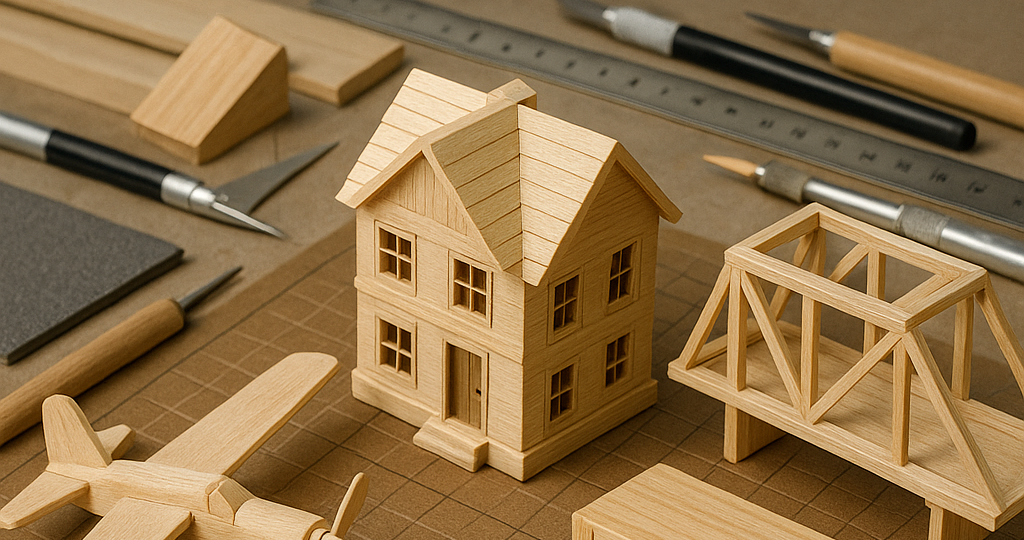
Introduction Model making is one of the most exciting and rewarding ways to express creativity. Whether you are a student working on an architectural assignment, a budding artist, or simply a DIY enthusiast, choosing the right material can make all the difference. Among all options, Balsa wood and Pinewood stand out as two of the most versatile, lightweight, and easy-to-work-with materials. Both are affordable, easy to cut, and perfect for everything from school projects to professional prototypes. Their fine grain, durability, and adaptability make them a favorite among architects, interior designers, hobbyists, and children exploring art and crafts. In this blog, we’ll explore 10 creative model-making projects you can build with Balsa and Pinewood to spark your imagination and bring your ideas to life. 1. Architectural Scale Models Balsa and Pinewood are widely used in architecture schools and studios to build miniature houses, buildings, and cityscapes. Their smooth finish and easy cutting make it possible to represent intricate facades, windows, and interiors with precision. Tip: Use a sharp craft knife and fine sandpaper to create clean joints. 2. Bridge Models Bridge models are classic engineering and design projects. Balsa, being lightweight yet strong, is ideal for testing load-bearing capacities. Pinewood, on the other hand, adds extra strength for larger structures. Creative Twist: Try building a suspension bridge with string and wood, or a truss bridge for engineering demonstrations. 3. Furniture Miniatures Designers and carpenters can use Balsa and Pinewood to create miniature furniture models such as chairs, tables, or wardrobes. These scale models are perfect for interior design presentations or DIY décor projects. Tip: Use Pinewood for sturdy frames and Balsa for lightweight panels. 4. Airplane Models Balsa is famously used for crafting model airplanes because of its feather-light weight and easy shaping. Whether you’re building a glider or a scale replica of a vintage aircraft, Balsa ensures both durability and flight efficiency. 5. Wooden Boats & Ships From Viking ships to modern sailboats, both Balsa and Pinewood can be used to create detailed marine models. Balsa floats easily, making it ideal for functional boat models, while Pinewood adds structural strength. 6. Art Installations & Sculptures Artists often use these woods for sculptural projects. Balsa allows for smooth carving and detailing, while Pinewood adds a natural grainy aesthetic that enhances the artwork’s texture. 7. Educational Projects for Students Balsa wood sheets are commonly used in school projects such as solar system models, working windmills, or geometric structures. They’re safe for kids to cut and paint, making them the perfect medium for hands-on learning. 8. Wooden Toys & Games From simple puzzles and blocks to detailed dollhouses and toy cars, Pinewood and Balsa are great for toy making. They are safe, eco-friendly, and can be easily decorated with paints or laminates. 9. Home Décor Mini Models Small wooden showpieces such as pen stands, wall hangings, or tiny houses can be crafted with Pinewood and Balsa. These make for great DIY weekend projects and add a rustic charm to your interiors. 10. Model Vehicles & Structures for Hobbyists For hobby enthusiasts, making model cars, trucks, or railway sets out of Pinewood and Balsa can be both fun and educational. Pinewood offers strength for the chassis, while Balsa can be shaped for details like windows, doors, and interiors. Conclusion From classroom projects to professional architectural prototypes and creative DIY crafts, Balsa and Pinewood are versatile materials that bring your imagination to life. They are lightweight, durable, affordable, and eco-friendly—making them the perfect choice for students, designers, hobbyists, and anyone with a passion for creativity. So, whether you’re building a model bridge, crafting a dollhouse, or experimenting with artistic sculptures, Balsa and Pinewood will always be your reliable creative partners. At ARTGEN – Artist in Us, we bring you premium-quality Balsa and Pinewood sheets, panels, and boards to help you turn your ideas into reality. Explore our collection today at artgen.in and start your next model-making masterpiece! Would you like me to also create a catchy Pinterest-style infographic that visually shows these 10 project ideas with Balsa & Pinewood so you can share it on social media for better engagement?         

Whether you’re a passionate student, a hobbyist sculptor, or a professional artist, selecting the right wood sheet for your art project can make a massive difference in your final outcome. With various types of wood sheets available—such as balsa wood, pinewood, MDF, bass plyboard, birch plyboard, and poplar board—it’s essential to understand the properties of each type and how they affect your project. In this comprehensive guide, we’ll walk you through the key factors to consider when choosing a wood sheet and help you decide the best one for your unique artistic needs. Why the Right Wood Sheet Matters When you choose the right wood sheet for your art project, you’re not just picking a base—you’re determining the foundation for durability, ease of use, finish quality, and how well your piece turns out. A poor choice can lead to breakage, difficulty in cutting or carving, or a surface that doesn’t take paint or glue well. Keyword: wood sheet for art project, best wood sheet for crafting Types of Wood Sheets Available at ARTGEN At ARTGEN, we offer a variety of premium wood sheets suited for different kinds of art projects. Here’s a quick overview: 1. Balsa Wood Sheets Lightweight and easy to cut Ideal for model making, school projects, and delicate structures Paints and glues easily Great for beginners and professionals alike Best used for: Architectural models, aeronautical models, school assignmentsKeyword focus: balsa wood sheet, model making wood sheet 2. Pinewood Sheets Slightly heavier than balsa but still soft Good for detailed carving and durable models Natural finish looks great with minimal work Best used for: Wood crafts, carving, intermediate modelsKeyword focus: pinewood for art, pinewood sheets 3. MDF (Medium Density Fiberboard) Sheets Smooth surface, perfect for painting Uniform texture with no wood grain Affordable and easy to cut, though heavier than balsa Best used for: Painting surfaces, laser cutting, sculpture basesKeyword focus: MDF sheet for art, smooth painting wood sheet 4. Bass Plyboard Balanced flexibility and strength Great for cutting, shaping, and crafting Holds screws and glue well Best used for: Sculpture bases, hobby crafts, moderate weight projectsKeyword focus: bass plyboard for art, art project plyboard 5. Birch Plyboard Strong, rigid, and beautifully grained Often used in furniture-grade projects Premium option for professional artists Best used for: High-end crafts, wood burning art, heavy modelsKeyword focus: birch plyboard sheet, woodburning sheet 6. Poplar Board Known for its soft, creamy color Takes paint and finish well More affordable than birch but offers good strength Best used for: Painting projects, basic crafting, budget-friendly projectsKeyword focus: poplar board for painting, art board sheets How to Choose the Right Wood Sheet for Your Art Project Now that you know the different types available, here’s a guide to choosing the perfect one based on your specific needs. 1. Consider the Project Type Model Making: Go for balsa wood or pinewood, especially if you need lightweight and easily cuttable sheets. Painting or Acrylic Art: Choose MDF or poplar board for a smooth surface. Carving or Wood Burning: Birch plyboard and bass plyboard provide the rigidity and grain you need. School Projects: Lightweight options like balsa are easy for students to handle. Keyword focus: wood sheet for painting, model making wood sheet 2. Check the Thickness The thickness of your wood sheet matters a lot. Too thin, and it might break or warp; too thick, and it may be hard to cut. For mini models and light crafts: 1mm – 3mm For structure bases or carved art: 4mm – 6mm For durable builds or load-bearing designs: 8mm – 12mm+ Tip: At ARTGEN, we provide wood sheets in various thicknesses so you can select just what you need. Keyword focus: thin wood sheets for crafting, thick wood for art projects Key Factors to Evaluate When Choosing 1. Weight If you’re hanging your art on a wall or building a model that needs to stand on its own, weight is critical. Balsa is ultra-light, while MDF and birch plyboard are much heavier. 2. Finish and Texture Choose a wood sheet that accepts paint, glue, or varnish the way you want. MDF offers a smooth, even finish. Birch adds a natural grainy texture that’s perfect for wood burning. 3. Durability For art that will be handled or transported, birch and pinewood offer long-term strength. Balsa is more fragile but perfect for static displays. 4. Ease of Use Beginners may prefer balsa or MDF for their ease in cutting and shaping. Professionals might appreciate the versatility of birch or bass plyboard. Keyword focus: easy-to-cut wood sheets, durable art wood sheet How to Maintain and Store Wood Sheets Once you buy your wood sheets, it’s important to store them properly: Keep them flat to prevent warping. Store in a dry environment to avoid moisture damage. Avoid direct sunlight which can fade or crack the surface. Tip: At ARTGEN, every wood sheet is quality-checked and packed to ensure they reach you in perfect condition. Where to Buy the Best Wood Sheets for Art Projects Looking for high-quality, artist-approved wood sheets for your next art project? ARTGEN has you covered. We offer a wide range of wood sheets online for artists, students, crafters, and professionals alike. With PAN India shipping and reliable quality, ARTGEN is your trusted partner in turning imagination into reality. Final Thoughts Choosing the right wood sheet for your art project doesn’t have to be overwhelming. With a little understanding of the properties and use cases of each type—from balsa wood sheets to birch plyboards—you can find the perfect match for your creative vision. Remember to consider the weight, thickness, finish, and ease of use when selecting your material. Whether you’re painting, carving, building, or modeling, ARTGEN’s premium collection of wood sheets has something for every kind of artist.

Creating architectural models is an essential part of learning design, structure, and spatial planning. For school students, these models serve as a bridge between imagination and real-world construction. But one question that frequently arises is: Which wood is best for school architectural models? With a range of materials available—balsa wood, pinewood, MDF, bass plyboard, and others—it’s essential to understand their unique characteristics to make an informed choice. In this blog, we’ll explore the best types of wood for school architectural models, comparing factors such as ease of cutting, affordability, availability, strength, and finish. Whether you’re a student, teacher, or hobbyist, this guide will help you choose the most suitable wood for your model-making projects. Why Wood is the Preferred Choice for Architectural Models Wood offers a combination of durability, versatility, and aesthetic appeal. Unlike foam board or plastic, wood provides a realistic texture and can be carved or painted easily. It also gives structural stability to scale models, making it a favorite among students and professional model makers alike. At ARTGEN, we specialize in premium-quality wood materials specifically curated for school projects, hobbyists, and artists. Our range includes balsa wood, pinewood, MDF, bass plyboard, poplar board, and more—making model-building accessible and exciting for everyone. Top Woods for School Architectural Models 1. Balsa Wood: The Lightweight Champion Keyword: balsa wood for school architectural models Balsa wood is widely regarded as the most popular material for school architectural models. It is incredibly lightweight, soft, and easy to cut using a craft knife or laser cutter. Advantages: Extremely light and easy to transport Ideal for quick mock-ups Easily glued with regular craft adhesives Can be sanded and painted without splintering Disadvantages: Not suitable for structural elements needing strength Can be expensive compared to other options Best use: Conceptual models, small-scale residential buildings, and preliminary school projects. At ARTGEN, our balsa wood sheets are available in multiple thicknesses to match the needs of beginners and professionals alike. 2. Pinewood: Strong and Aesthetic Keyword: pinewood for model making Pinewood offers a beautiful grain and solid strength, making it a great choice for more detailed or load-bearing parts of a model. Advantages: Stronger than balsa wood Beautiful natural grain Suitable for detailed carving Readily available and affordable Disadvantages: Heavier and harder to cut Needs sharper tools or power tools for precision Best use: Structural elements, furniture modeling, and landscape platforms. If your school project demands realism and durability, pinewood for model making can be a smart pick. ARTGEN provides precision-cut pinewood that’s ideal for crafting, shaping, and painting. 3. MDF (Medium-Density Fiberboard): Versatile and Smooth Keyword: MDF for architectural models MDF is an engineered wood product made from wood fibers and resin. It is a cost-effective material for building robust and smooth models. Advantages: Smooth finish perfect for painting Affordable and available in various thicknesses Holds glue and paint very well Great for CNC and laser cutting Disadvantages: Heavy compared to balsa and pinewood Generates fine dust when cut—requires protective gear Best use: Base platforms, walls, and interior detailing in models. If your school project requires precision and a clean finish, MDF for architectural models is a reliable option. At ARTGEN, we stock high-grade MDF that’s perfect for academic and professional use. 4. Bass Plyboard: Flexible and Durable Keyword: bass plyboard for school models Bass plyboard is a type of thin plywood made from basswood. It combines the lightness of balsa with the strength of plywood. Advantages: Flexible yet strong Easy to bend into curves Uniform surface finish Good resistance to warping Disadvantages: Slightly costlier than MDF May splinter at the edges if not cut properly Best use: Curved surfaces, domes, and layered modeling. Bass plyboard for school models offers a fine balance between aesthetics and strength, especially for creative or experimental school designs. 5. Poplar Board: Budget-Friendly and Eco-Friendly Keyword: poplar wood for student models Poplar is an excellent option for students working within a budget but still wanting quality. It is relatively light and easy to cut. Advantages: Economical and eco-conscious Lightweight and soft Accepts paint and glue easily Disadvantages: Lacks the visual appeal of pine or basswood Less durable under pressure Best use: Foundation layers, filler materials, and practice models. ARTGEN’s poplar sheets are ideal for bulk work and group school projects where affordability meets usability. Factors to Consider When Choosing Wood for School Models Choosing the best wood for school architectural models depends on the following: 1. Purpose of the Model Concept models: Go for balsa wood or poplar. Functional or structural models: Choose pinewood or bass plyboard. Presentation models: Opt for MDF or pinewood with a polished finish. 2. Budget Constraints Poplar board and MDF are great budget options. Bass plyboard and pinewood are moderately priced. Balsa wood can be slightly premium but worth the cost for detailing. 3. Tools Available For hand tools: Balsa and poplar are easier. For laser cutting/CNC: MDF, bass plyboard, and pinewood are excellent. 4. Finish Required For painted finishes: MDF and poplar are perfect. For natural aesthetics: pinewood and bass plyboard shine. ARTGEN’s Wood Collection – Tailored for Students At ARTGEN, we understand the unique needs of school and college students. That’s why we offer: Pre-cut wood sheets for architectural models Custom sizes upon request Affordable prices for students and schools Delivery across India Whether you’re working on your first model or a final-year project, ARTGEN provides the tools and materials to bring your vision to life. Check out our wood collection here. Final Verdict: Which Wood Should You Choose? Here’s a quick recap of the best wood types:   Wood Type Best For Cost Cutting Ease Balsa Wood Lightweight models, fast prototyping Moderate Very Easy Pinewood Structural models, furniture detailing Moderate Medium MDF Painted finishes, CNC and laser cut models Low Easy Bass Plyboard Flexible curves, aesthetic structures Moderate+ Medium Poplar Board Budget projects, beginner models Low Easy If you’re still unsure about the right material for your model, our team at ARTGEN is always ready to guide you. Feel free to reach…

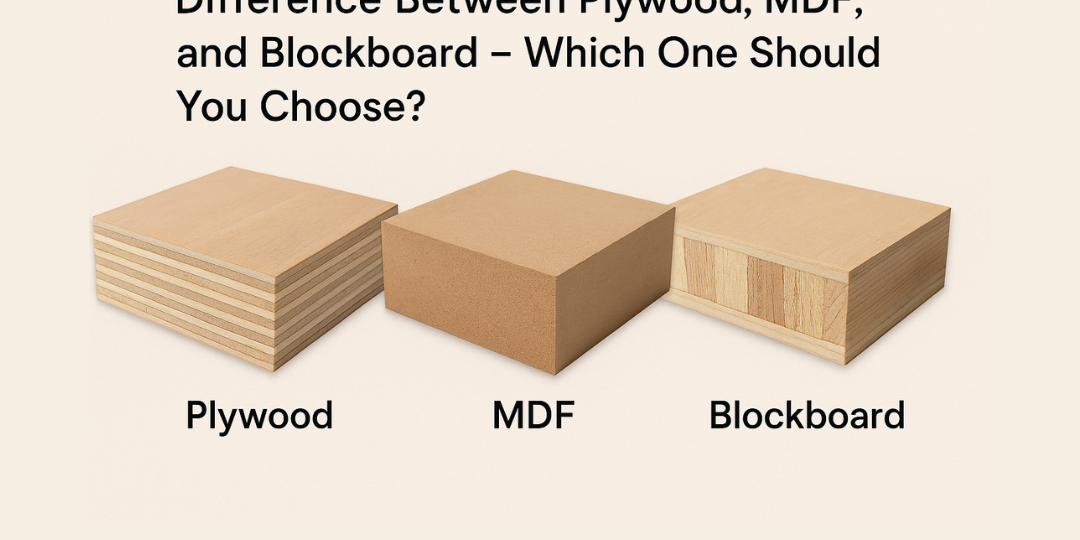
Whether you are a DIY enthusiast, a student working on a model-making project, or a professional carpenter, choosing the right wood panel is crucial for your creation’s durability and finish. At ARTGEN, we specialize in quality wood panels, and in this blog, we will guide you through the difference between plywood, MDF, and blockboard, so you can confidently select the best material for your next artistic or structural project. What Are Plywood, MDF, and Blockboard? Before diving into comparisons, it’s essential to understand what each material is. What is Plywood? Plywood is a manufactured wood panel made from thin layers (or “plies”) of wood veneer glued together. The grain of each layer is rotated up to 90 degrees to reduce shrinkage and improve strength. Common uses of plywood: Furniture Flooring Wall paneling Cabinetry At ARTGEN, we offer premium plywood options suitable for both artistic and structural applications. What is MDF? MDF (Medium Density Fibreboard) is engineered by breaking down hardwood or softwood residuals into wood fibers, combining it with wax and resin, and forming panels under high temperature and pressure. Common uses of MDF: Decorative furniture Wall units Crafting and modeling Painted surfaces Pinewood MDF available at ARTGEN.in is especially popular among model makers and hobbyists for its smooth surface and workability. What is Blockboard? Blockboard is made by placing softwood strips between two layers of wood veneer and bonding them with adhesive under heat and pressure. The core is usually made of softwood such as poplar. Common uses of blockboard: Long shelves Tables Partitions Doors We stock blockboards perfect for structural requirements where strength and stability are critical. Key Differences Between Plywood, MDF, and Blockboard Now let’s compare these three wood panels across various parameters. 1. Strength and Durability Plywood is extremely strong due to its cross-grain structure, making it ideal for load-bearing furniture and structural applications. MDF is less durable but great for detailed carving and smooth finishes. It’s more prone to damage if exposed to moisture. Blockboard offers decent strength, especially along the length, and is ideal for vertical structures like doors and tall shelves. Verdict: For long-term furniture or heavy-use areas, plywood is the winner. For lightweight projects, blockboard is a strong contender. Choose MDF when fine detailing or smooth painting is required. 2. Weight MDF is the heaviest among the three due to its compact fiber structure. Plywood is lighter than MDF but heavier than blockboard. Blockboard is the lightest, making it easier to handle and install. Verdict: If weight is a concern, like in wall-mounted items or children’s projects, blockboard is ideal. 3. Workability and Finishing Plywood can be cut and joined easily, but the layered structure may splinter. MDF is the best for smooth edges, carving, and painting. Great for CNC cutting. Blockboard is easy to cut along its length but may splinter across the grain. Verdict: For creative work like model making, MDF (especially pinewood MDF) is the best. For basic structural work, plywood and blockboard perform well. 4. Moisture Resistance Plywood performs well in moist environments, especially marine-grade plywood. MDF is not water-resistant unless treated. It swells and deforms with prolonged exposure. Blockboard is moderately moisture-resistant and can be used for interior furniture. Verdict: For kitchens, bathrooms, or tropical climates, go with plywood. 5. Cost Comparison MDF is the most affordable, making it a go-to choice for budget projects. Blockboard is slightly more expensive but still cost-effective. Plywood is the costliest due to its manufacturing process and durability. Verdict: If you’re looking for a budget-friendly option for interior projects, MDF is excellent. If you want long-lasting quality, invest in plywood. 6. Eco-Friendliness At ARTGEN, we care about sustainability. Plywood uses more wood veneer but can be FSC-certified. MDF uses recycled wood fibers, making it more sustainable but it contains resin that may emit VOCs. Blockboard uses less adhesive and is more eco-friendly if made from sustainably sourced wood. Verdict: Look for low-emission, FSC-certified options regardless of the material. Best Wood Panel for Model Making If you’re into model making, sculpture, or school projects, choosing the right panel is crucial. MDF for model making: Pinewood MDF is perfect due to its soft texture, ease of painting, and carving potential. Balsa and bass plyboard (also available at ARTGEN) are lightweight and easy to shape for detailed models. Plywood is good for strong bases or layered structural parts. Tip from ARTGEN: Use MDF or balsa wood for finer detailing and plywood for durable frameworks. Applications of Each Wood Panel Let’s explore where each panel performs best. Application Best Material Wall Panels Plywood / MDF Cabinets Plywood / MDF Doors Blockboard Shelves Blockboard / Plywood Crafts MDF Model Making MDF / Balsa / Bass Ply Furniture Plywood Budget Projects MDF Long Span Structures Blockboard Which One Should You Choose? Ask yourself the following: Do you need a strong and durable structure? → Choose Plywood Are you working on crafts or need a smooth finish? → Go for MDF Want something lightweight and strong for long spans? → Pick Blockboard Looking for budget-friendly, eco-conscious solutions? → MDF or Blockboard At ARTGEN.in, we stock all three types of panels along with specialized options like pinewood MDF, bass plyboard, poplar board, and plain MDF, tailored for artists, students, architects, and creators. Why Choose ARTGEN for Your Wood Panel Needs? We at ARTGEN believe that every artist and builder deserves the right material to bring their vision to life. Here’s why our customers love us: Wide variety of premium wood panels Affordable pricing with quality assurance Perfect for artists, students, and creators Trusted by professionals and hobbyists alike Fast delivery and pan-India shipping Final Thoughts Choosing between plywood, MDF, and blockboard depends on your project’s needs—strength, finish, moisture resistance, and budget. By understanding their core differences, you can make smarter decisions and ensure your creation stands the test of time. Browse our full collection of MDF, plywood, blockboard, balsa wood, and more at ARTGEN.in – where ARTIST IN US becomes a reality.

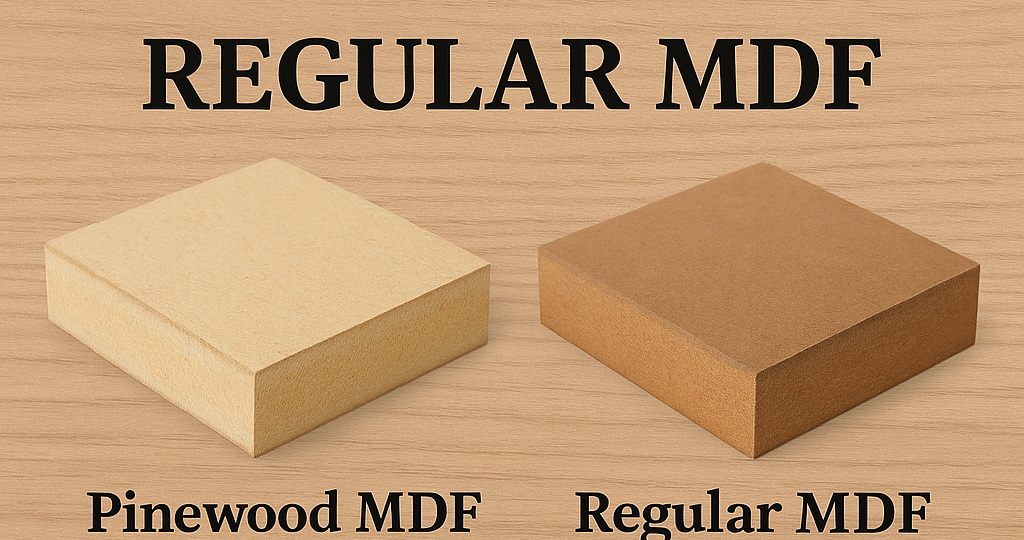
When it comes to choosing the best material for crafting, DIY projects, and model making, MDF (Medium Density Fibreboard) has always been a popular choice. But not all MDFs are created equal. Among the types available, Pinewood MDF and Regular MDF are two variants that cater to different needs. Understanding the difference between Pinewood MDF and Regular MDF can help you make smarter buying decisions, especially when quality, durability, and project requirements matter. In this blog, we’ll explore the characteristics of Pinewood MDF and Regular MDF, compare their properties, and help you decide which one is the right choice for your next artistic or construction project. What is MDF? MDF (Medium Density Fibreboard) is an engineered wood product made from wood fibers combined with resin and wax, compressed under high pressure and heat. It is smooth, affordable, and versatile, making it ideal for furniture, cabinetry, interior design, and model making. There are many types of MDF based on density and the kind of wood used. Two major types include: Regular MDF – Made using mixed hardwood or softwood fibers. Pinewood MDF – Made specifically using Pinewood fibers. Understanding the key differences between Pinewood MDF vs. Regular MDF can help you choose the right panel for your needs. What is Pinewood MDF? Pinewood MDF is a type of MDF panel manufactured using fibers derived from pinewood, a softwood known for its lightweight and straight grain. It retains the smooth surface and structural benefits of MDF while offering some unique properties derived from pinewood. Features of Pinewood MDF: Lightweight: Easier to handle, cut, and work with. Cleaner Finish: Holds paint and laminates exceptionally well. Eco-Friendly: Pine is a fast-growing tree, making it more sustainable. Less Dense Than Hardwood MDF: Offers flexibility for model making and light-duty projects. At ARTGEN.in, we offer premium quality Pinewood MDF sheets that are perfect for students, artists, and creators looking for precision and smooth finishes. What is Regular MDF? Regular MDF, often referred to as standard MDF, is made from a mix of hardwood and softwood fibers. It’s widely available and used across multiple industries due to its affordability and good mechanical performance. Features of Regular MDF: Higher Density: Provides a sturdy base for heavy-duty applications. Cost-Effective: Usually more economical for general use. Uniform Texture: Ensures consistency across surfaces. Good for Furniture & Interior Projects: Used in cabinetry, wall paneling, partitions, and more. Regular MDF is excellent when structural integrity and moderate durability are needed without spending on high-grade materials. Pinewood MDF vs. Regular MDF – Key Differences Feature Pinewood MDF Regular MDF Raw Material 100% Pinewood fibers Mixed hardwood/softwood Weight Lightweight Heavier due to higher density Surface Finish Very smooth, easy to sand & paint Smooth but may require primer Sustainability More eco-friendly Depends on wood source Workability Easier to cut and shape Slightly more rigid to work with Cost Slightly premium More budget-friendly Use Cases Model making, crafts, decor Furniture, cabinetry, wall panels Applications of Pinewood MDF Pinewood MDF sheets have become a favorite among artists, students, model makers, and DIY hobbyists. Its lightweight and smooth surface make it ideal for: Architectural models Miniature furniture Art panels Laser cutting & CNC engraving Creative installations At ARTGEN, we specialize in Pinewood MDF panels tailored for model making. These sheets are easy to handle, require minimal sanding, and adhere to paints and adhesives smoothly—making them perfect for precision work. Applications of Regular MDF Regular MDF boards are better suited for heavy-duty and structural projects. Their dense composition makes them ideal for: Furniture making Shelving units Partitions and wall paneling Cabinet doors Laminated work surfaces While not as light or fine as Pinewood MDF, Regular MDF still offers excellent machinability and cost-efficiency for builders and carpenters. Which One Should You Choose? The choice between Pinewood MDF vs. Regular MDF depends on your project needs. Let’s simplify it: Choose Pinewood MDF if: You are working on scale models, crafts, or detailed art projects. You require lightweight sheets that are easy to cut. You need a smooth and clean surface for painting. Your project involves laser cutting or fine etching. Choose Regular MDF if: You are building furniture or interior installations. You want a more budget-friendly material for large-scale use. You need strong and dense boards for support and load-bearing applications. Sustainability: A Key Concern At ARTGEN, sustainability is core to our philosophy. Pinewood MDF is a greener option because pine trees grow quickly, and responsible sourcing ensures minimal environmental impact. Our panels are CARB-compliant, non-toxic, and suitable for safe indoor use. Common Questions About Pinewood MDF vs. Regular MDF 1. Is Pinewood MDF more expensive than Regular MDF? Yes, slightly. Due to the processing and higher quality control involved, Pinewood MDF may cost more, but the price is justified by its lightweight, smoothness, and ease of use. 2. Can both types of MDF be painted or laminated? Absolutely. However, Pinewood MDF offers a smoother surface that requires less preparation, making it ideal for high-detail paint jobs and laminates. 3. Is Pinewood MDF good for laser cutting? Yes! Pinewood MDF is one of the best materials for laser cutting and CNC machining, thanks to its soft grain and consistent density. 4. Where can I buy Pinewood MDF online? You can explore premium quality Pinewood MDF sheets at ARTGEN.in, where we provide a variety of thicknesses and sizes tailored for creators. Why Buy from ARTGEN? At ARTGEN, we don’t just sell products—we empower creators. Our Pinewood MDF sheets are crafted keeping in mind the needs of artists, students, architects, and DIY lovers. Here’s why ARTGEN Pinewood MDF stands out: Carefully packed to prevent damage in transit Perfect dimensions for hassle-free project planning Eco-friendly & safe for indoor use Expert guidance available for choosing the right product Responsive customer support for queries and orders Conclusion Understanding the difference between Pinewood MDF and Regular MDF can make a big impact on the outcome of your project. While both materials have their own merits, Pinewood MDF emerges as the winner for detailed, artistic,…

When it comes to model making, choosing the right wood can make a significant difference in your project’s success. Whether you’re a student, hobbyist, artist, or architectural professional, the quality and type of wood directly affect the precision, durability, and appearance of your models. Among the most popular options available today are Balsa wood, Pinewood, and MDF (Medium-Density Fiberboard). But which is the best wood for model making? In this detailed comparison, we’ll break down each wood type, covering its pros, cons, uses, and which one might be the best fit for your next model-making project. Why Wood Selection Matters in Model Making Model making requires materials that are not only easy to work with but also provide durability, fine finishes, and a professional look. Whether you’re crafting architectural prototypes, miniature sculptures, or student models, your choice of wood will impact: Weight and portability Carvability and cutting ease Surface finish and paintability Structural integrity over time Let’s explore the top three choices—Balsa, Pinewood, and MDF—to help you make an informed decision. Balsa Wood: Lightweight Champion of Model Making Balsa wood is often considered the gold standard for model makers due to its incredibly lightweight and workability. What is Balsa Wood? Balsa is a soft hardwood derived from the Balsa tree, primarily found in Central and South America. Despite being classified as hardwood, it is much softer and lighter than most softwoods. Key Features of Balsa Wood: Feather-light: One of the lightest woods available. Easy to cut and shape: Ideal for beginners and detailed models. Smooth surface: Excellent for painting and gluing. Eco-friendly: Renewable and sustainably sourced. Applications: Architectural models RC planes and boats School projects Miniature structures and props Pros: Extremely lightweight Very easy to cut with a hobby knife Smooth, paintable surface Minimal splintering Cons: Not very durable or strong Can break under stress or pressure More expensive than MDF or Pinewood Is Balsa the Best Wood for Model Making? If you prioritize lightness and fine detailing, especially for structures like aircraft models or student displays, Balsa wood is hard to beat. Pinewood: A Versatile and Durable Option Pinewood is another popular choice, particularly when you need a stronger structure or want to work with a natural-looking wood grain. What is Pinewood? Pinewood comes from pine trees, which are softwoods grown widely across the world. It is known for its strength, light to medium weight, and beautiful grain texture. Key Features of Pinewood: Stronger than Balsa: Ideal for load-bearing models Grain texture: Gives a rustic, natural look More durable: Holds nails and screws better Slightly heavier than Balsa Applications: Furniture prototypes Structural or mechanical models Carved models Decorative miniature models Pros: Tougher and more durable than Balsa Easier to sand and polish than MDF More affordable and available in multiple sizes Cons: Harder to carve or cut with hand tools Not as smooth as MDF for painting Slightly heavier, which may affect portability Is Pinewood the Best Wood for Model Making? For models that require durability and strength, such as structural pieces, carved models, or realistic displays, Pinewood provides a great balance between workability and strength. MDF: The Cost-Effective Choice for Precision MDF (Medium-Density Fiberboard) has gained popularity among modern artists and students for its affordability and smooth finish. What is MDF? MDF is an engineered wood product made by compressing wood fibers with resin under high pressure and temperature. It provides a uniform surface that’s easy to paint and shape. Key Features of MDF: Consistent texture: No knots or grain patterns Smooth surface: Great for painting and laser cutting Affordable: Cheaper than Balsa or Pine Available in thin sheets Applications: Student projects Scale models Prototypes for presentations DIY arts and crafts Pros: Very affordable and accessible Smooth surface for detailed finishing Good for laser cutting and CNC machining Uniform density Cons: Heavier than Balsa or Pinewood Can chip during detailed carving Susceptible to water damage Not eco-friendly Is MDF the Best Wood for Model Making? If your priority is cost-efficiency and smooth finishes, particularly for student work or industrial prototypes, MDF can be a reliable option. Head-to-Head Comparison: Balsa vs. Pinewood vs. MDF Feature Balsa Wood Pinewood MDF Weight Very Light Moderate Heavy Strength Low High Moderate Workability Easy Moderate Easy Surface Finish Smooth Natural grain Very smooth Price Expensive Moderate Budget-friendly Eco-friendliness High Sustainable Low Best For Light models Durable models Student projects Which Wood Should You Choose for Model Making? Choose Balsa Wood if: You need ultra-lightweight materials Your model requires delicate and fine detailing You’re building scale models or RC airplanes Choose Pinewood if: Your model needs to be stronger or carry weight You prefer a natural wood grain look You’re working with furniture models or realistic structures Choose MDF if: You’re on a budget You need a smooth, uniform surface for paint Your project involves laser cutting or CNC routing Where to Buy Model Making Wood Online? If you’re looking for premium-quality Balsa, Pinewood MDF, or Bass Plyboard for your creative projects, visit artgen.in. At ARTGEN, we specialize in wood panels for artists, students, and hobbyists, offering curated sizes and types ideal for model making. Whether you’re buying for personal use or academic purposes, ARTGEN ensures: Premium wood materials Quick delivery across India Tailored options for B2C customers Best-in-class service and support Final Thoughts: Balsa vs. Pinewood vs. MDF In the end, the best wood for model making depends on your project’s specific needs—be it weight, strength, finish, or budget. Balsa wood excels in lightness and ease of use, Pinewood stands out for its durability and natural finish, while MDF offers affordability and precision. At ARTGEN, we understand that every model is a work of art, and the wood you choose is your foundation. Let your creativity take shape—choose the right wood and bring your models to life with confidence!

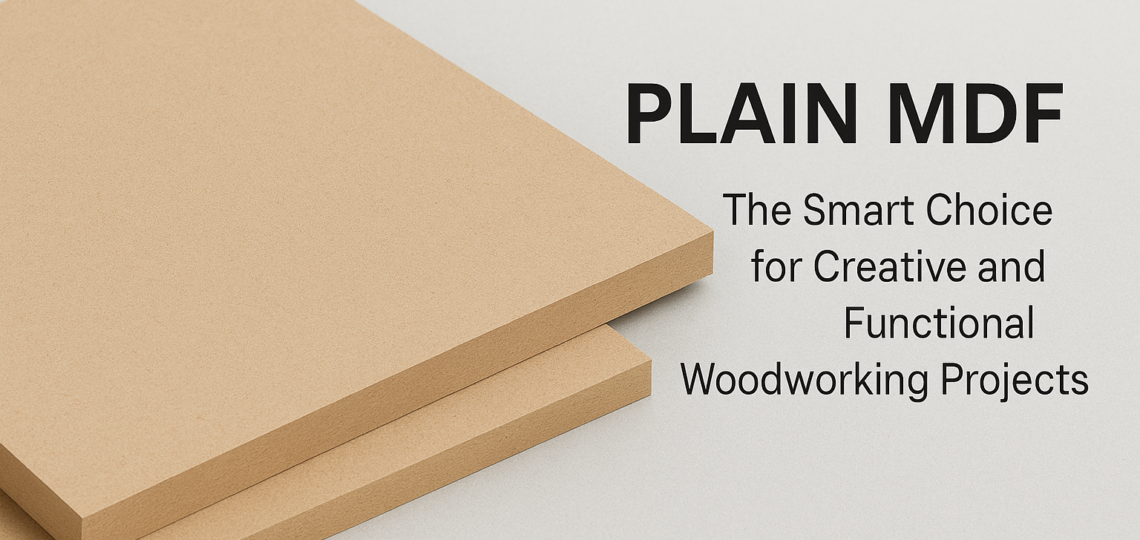
s Plain MDF (Medium Density Fiberboard) is a staple material in woodworking, carpentry, and DIY projects. Its popularity stems from its affordability, smooth finish, and versatility. Whether you’re a professional furniture maker, an interior designer, a student building models, or a DIY enthusiast, Plain MDF is likely part of your material palette. At ARTGEN, we understand the needs of modern creators, and we’re here to offer you high-quality Plain MDF sheets that meet both budget and performance standards. This blog takes a deep dive into what Plain MDF is, its advantages, applications, and why ARTGEN’s Plain MDF is the right choice for your projects. What is Plain MDF? Plain MDF stands for Medium Density Fiberboard that has not been laminated or veneered. It is an engineered wood product made from wood fibers combined with wax and resin, which are then compressed under high temperature and pressure. Unlike plywood or particle board, Plain MDF has a consistent, smooth surface that makes it an ideal choice for painting, veneering, and carving. It is also easier to machine and cut, making it perfect for detailed woodworking. Why Choose Plain MDF? Let’s explore the core reasons behind the increasing preference for Plain MDF: 1. Smooth Surface Finish Plain MDF has a uniformly smooth texture, free from knots and grains. This makes it a dream material for painting and laminating, giving you a flawless final look. 2. Easy to Cut and Shape Because of its dense composition, Plain MDF can be cut and shaped easily using standard woodworking tools. It doesn’t splinter like natural wood, making it safer and more predictable to work with. 3. Cost-Effective Compared to solid wood and plywood, Plain MDF offers great value for money. It provides a premium finish without the premium price, which is perfect for budget-conscious professionals and hobbyists. 4. Eco-Friendly Manufacturing Plain MDF is made from recycled wood fibers and sawdust, reducing waste and encouraging sustainable building practices. Choosing MDF is a step toward a greener environment. 5. Available in Various Thicknesses and Sizes At ARTGEN, our Plain MDF boards come in multiple thickness options—from 2mm to 25mm—catering to a variety of use cases. Whether you’re creating a tiny model or a large shelf, we have what you need. Applications of Plain MDF Plain MDF is a favorite across industries and projects. Here are some common applications: ● Furniture Manufacturing Cabinets, shelves, drawers, and tables often use Plain MDF due to its ease of machining and affordability. ● Interior Designing From decorative wall panels to false ceilings, Plain MDF is widely used for its smooth surface and ability to hold paints and veneers perfectly. ● Educational and Hobby Projects Students and hobbyists love using Plain MDF for making miniatures, architectural models, and art pieces due to its lightweight nature and smooth finish. ● Retail Fixtures Retail displays, POP stands, and signage often use MDF for its durability and professional look. ● Craft and DIY Projects Crafters use Plain MDF to make custom photo frames, nameplates, wall art, and more. It’s a blank canvas for endless creativity. Plain MDF vs Other Wood Panel Options It’s important to understand how Plain MDF compares to other wood-based boards: Feature Plain MDF Plywood Particle Board Surface Finish Smooth and uniform May have grains and knots Rough surface Strength Medium High Low Paintability Excellent Moderate Poor Price Affordable Higher Cheapest Eco-Friendliness Made from recycled fibers Uses whole logs Made from wood chips In most cases where smoothness and affordability matter, Plain MDF is the ideal solution. Working with Plain MDF: Tips & Tricks If you’re planning to use Plain MDF for your next project, here are some practical tips to get the best results: ● Sealing Edges MDF edges can absorb moisture and swell. Use an edge sealer or primer before painting. ● Drilling and Screwing Use sharp, carbide-tipped tools for cutting. Pre-drill holes to avoid splitting and always use wood glue for added strength. ● Painting Always use a primer before painting. Water-based primers work best. Once primed, the surface is perfect for all kinds of paints including acrylics and spray paints. ● Handling and Storage Store MDF sheets flat and in a dry place to prevent warping. Avoid exposure to water or excessive humidity. Why Buy Plain MDF from ARTGEN? When you purchase Plain MDF from ARTGEN, you’re investing in quality and reliability. Here’s what sets us apart: ✅ Premium Quality Material We source only the finest grade of MDF that offers consistent thickness, smooth texture, and strength suitable for professional and personal use. ✅ Wide Range of Sizes From compact craft-friendly boards to large furniture-grade sheets, ARTGEN offers multiple dimensions and thicknesses to suit every project. ✅ Eco-Conscious Manufacturing We are committed to sustainability. Our Plain MDF is made from responsibly sourced recycled wood fibers. ✅ Affordable Pricing We ensure competitive pricing without compromising on quality. Whether you are buying one sheet or bulk, you get the best value. ✅ Pan-India Delivery Wherever you are in India, ARTGEN delivers your MDF right to your doorstep, safe and ready to use. Who Should Use Plain MDF from ARTGEN? Our Plain MDF boards are ideal for: Students working on architecture or engineering models Interior designers looking for elegant and smooth finishes Furniture manufacturers who need affordable and workable panels Artists and hobbyists creating custom craft and décor pieces DIYers who love experimenting with wood-based materials Customer Stories: Real Projects, Real Results We love seeing what our customers create with Plain MDF. From hand-painted wall décor to intricately carved partitions, the possibilities are endless. Riya from Bangalore says:“I used ARTGEN’s Plain MDF for a series of miniature model homes. The cutting was easy, and the finish was just what I needed for painting and assembly. Highly recommend!” Conclusion: MDF that Delivers Performance and Affordability In the world of engineered wood, Plain MDF stands out as a smart, versatile, and cost-effective choice. Whether you’re a seasoned carpenter or a creative hobbyist, it delivers the results you need—smooth surfaces, easy customization, and eco-friendly…

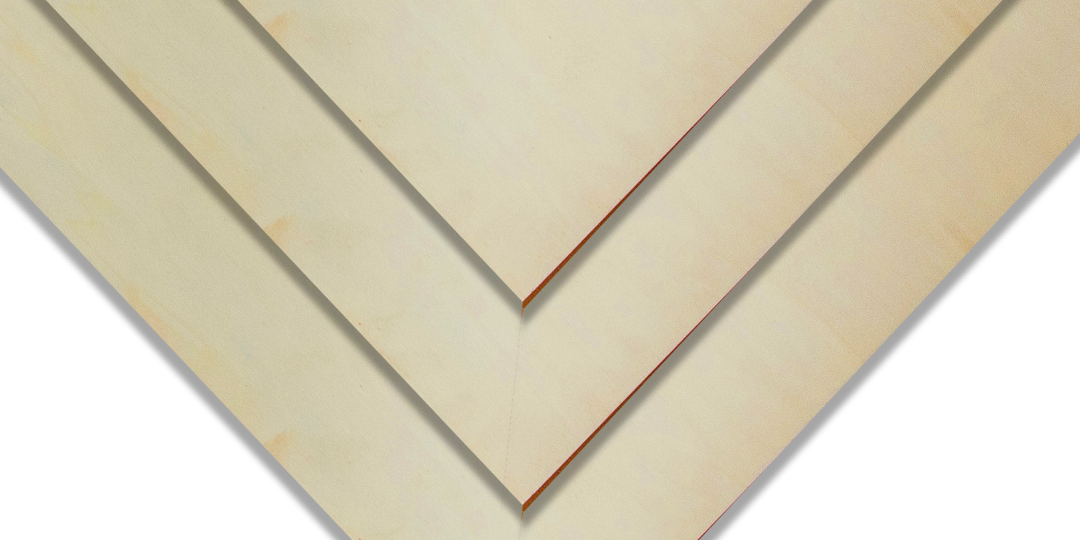
If you’re an artist, hobbyist, architect, or furniture designer looking for a strong, lightweight, and versatile wood panel, then Bass Plyboard could be your new best friend. Whether you’re working on miniature models, school projects, or custom furniture, the unique characteristics of Bass Plyboard make it an ideal choice. At ARTGEN, we specialize in premium-quality wood panels, and Bass Plyboard stands out among our top picks for professionals and beginners alike. In this blog, we’ll cover everything you need to know about Bass Plyboard—what it is, its advantages, uses, comparison with other wood panels, and why you should buy Bass Plyboard online from ARTGEN. What is Bass Plyboard? Bass Plyboard is a specially engineered wood panel crafted from layers of basswood veneer. Known for its fine grain and pale color, basswood is a soft hardwood that’s easy to work with yet provides remarkable durability. These characteristics make Bass Plyboard a favorite among model makers, artists, architects, and DIY enthusiasts. Unlike traditional plywood, Bass Plyboard has a smoother texture and better consistency. It’s also lighter in weight, making it easier to cut, shape, and mount for various applications. Key Features of Bass Plyboard Lightweight but Strong: Despite its light weight, Bass Plyboard offers surprising strength and stability. Fine Grain Texture: Ideal for detailed carving, painting, and laser cutting. Low Warping: Its multilayer construction resists warping better than solid wood. Eco-Friendly: Sourced from sustainable basswood trees, ensuring minimal environmental impact. Paint and Finish Ready: Accepts paint, stain, and glue easily, perfect for creative projects. If you’re exploring reliable wood panel options, Bass Plyboard is an excellent balance between aesthetics and function. Why Artists and Designers Prefer Bass Plyboard In the world of creative work, your materials make all the difference. Bass Plyboard is not just another type of wood—it’s a material that supports your vision. At ARTGEN, we’ve seen a massive shift toward Bass Plyboard for models, Bass Plyboard for artwork, and even Bass Plyboard for student projects. Here’s why: 1. Precision and Detail The fine, uniform grain of Bass Plyboard makes it easy to draw or engrave intricate details. Whether you’re using a laser cutter or hand tools, it responds beautifully. 2. Lightweight for Portability For students, artists, or professionals who travel or ship their work, Bass Plyboard provides a lightweight option without compromising strength. 3. Compatible with Paints and Adhesives It readily accepts acrylic, oil-based paints, glues, and finishes—making it an ideal base for a variety of creative expressions. Bass Plyboard vs. Other Wood Panels When comparing Bass Plyboard to other commonly used wood panels like MDF, Poplar Board, or Birch Ply, here’s how it stacks up: Feature Bass Plyboard MDF Poplar Board Birch Ply Weight Very Light Heavy Medium Medium-heavy Grain Texture Fine and Uniform No grain (synthetic) Straight, occasional knots Tight and decorative Workability Easy to cut and carve Dulls tools easily Moderate Requires sharper tools Paint/Glue Absorption Excellent Very Good Good Good Ideal For Art, models, DIY Cabinets, furniture Frames, panels Furniture, cabinetry This comparison clearly highlights why Bass Plyboard is a go-to choice for delicate or artistic projects. Applications of Bass Plyboard Whether you’re into hobby crafting or professional design, Bass Plyboard is adaptable to a wide range of applications: For Artists Use Bass Plyboard as a canvas, a support board, or for 3D artwork. It’s ideal for decoupage, wood-burning art, and more. For Students Perfect for architectural models, mechanical prototypes, or school science projects. It’s lightweight and easy to handle. For DIY Enthusiasts From handmade clocks to custom nameplates and wall art, Bass Plyboard allows for endless creativity. For Furniture Designers Bass Plyboard is often used for making drawer bottoms, cabinet backs, and decorative panels. For Packaging and Craft Use Bass Plyboard to create custom packaging, gift boxes, or product display stands. Why Buy Bass Plyboard from ARTGEN? As a brand that lives by the tagline “ARTIST IN US,” we understand the needs of our community. Here’s why thousands of creators across India choose ARTGEN to buy Bass Plyboard: Premium Quality We ensure every sheet of Bass Plyboard is free from defects, knots, and inconsistencies. Each panel is tested for strength and finish. Multiple Sizes and Thicknesses Whether you need a thin sheet for a lightweight model or a thicker board for a durable base, ARTGEN offers a wide range of options. Doorstep Delivery Order Bass Plyboard online and get it delivered safely and quickly to your doorstep anywhere in India. Sustainably Sourced We care about the planet. All our Bass Plyboard products are sourced from certified sustainable forests. Expert Support Need help choosing the right type of wood panel? Our team is here to assist with your questions or custom orders. How to Use and Store Bass Plyboard Bass Plyboard is easy to maintain, but proper usage and storage can extend its lifespan significantly: Cutting: Use sharp blades or laser cutters for clean edges. Painting: Sand lightly before applying primer or paint. Storage: Keep in a dry, flat area to prevent warping. Handling: Always lift by the edges to avoid damage to corners. Tips for Beginners Using Bass Plyboard If you’re new to using Bass Plyboard, here are a few starter tips: Start with thinner sheets (1mm–3mm) for models or crafts. Use masking tape while cutting to avoid chipping. Seal the surface before painting for a smooth finish. Try layering to create 3D effects in art or architecture models. Use a fine-tooth blade for smoother, cleaner cuts. Frequently Asked Questions Q1: Is Bass Plyboard good for laser cutting?A: Yes, it’s one of the best materials for laser engraving and cutting due to its fine grain and low density. Q2: Can I use Bass Plyboard outdoors?A: It’s best used indoors unless it’s sealed with a waterproof coating or paint. Q3: What is the price of Bass Plyboard?A: Prices vary by size and thickness. Check the latest offers on our website ARTGEN. Q4: Is Bass Plyboard better than MDF?A: For artistic and precision work, Bass Plyboard is generally preferred due to its weight, grain, and ease…

If you’re an artist, DIY enthusiast, furniture maker, or interior designer, you’re likely looking for materials that are reliable, lightweight, cost-effective, and visually appealing. One such material that continues to grow in popularity is the Popular Board. Known for its easy-to-handle structure and smooth finish, it is becoming the preferred choice across various industries including home décor, model-making, furniture manufacturing, and architectural design. In this blog, we’ll explore everything you need to know about Popular Board—its composition, benefits, comparisons with alternatives, use cases, and why Artgen is a leading platform in India for purchasing this board. What is Popular Board? Popular Board, also referred to as Poplar Board, is an engineered wood product made by compressing layers of veneer sourced from the poplar tree. These trees are fast-growing and sustainable, making the board an eco-friendly alternative to traditional hardwoods. The resulting board is lightweight, smooth, and suitable for a variety of applications, from crafting and interior design to commercial furniture manufacturing. Its structure makes it easy to cut, shape, and finish, which is why it’s widely used by professionals and hobbyists alike. Key Features of Popular Board Lightweight Yet DurablePopular Board offers excellent strength without the added weight. This makes it ideal for projects that need both portability and stability. Smooth Surface FinishThe uniform grain of poplar wood gives the board a sleek and consistent surface that’s perfect for painting, polishing, and laminating. Resistant to Moisture and TermitesProperly treated Popular Boards can resist moisture and pest damage, increasing their life span and reliability in humid environments. Sustainable and Eco-FriendlyPoplar trees are cultivated specifically for commercial use, making Popular Board a more sustainable option compared to traditional hardwoods. Affordable for All Project SizesWhether you’re working on a home décor item or building commercial furniture, Popular Board provides cost-effectiveness without compromising on performance. Why Choose Popular Board? With the demand for smart, sustainable, and versatile materials growing rapidly, Popular Board stands out for several reasons: Easy to Work With The lightweight and uniform composition of Popular Board makes it easy to cut, sand, drill, and paint. It is suitable for power tools, hand tools, and CNC machines, providing complete flexibility for artisans and builders. Suitable for Custom Finishes Popular Board takes well to a variety of finishes, including paint, laminates, wood veneers, and varnishes. This allows designers and homeowners to customize it to match their interior themes or design preferences. Widely Used in Modular Furniture From cabinets and wardrobes to TV units and bookshelves, Popular Board is extensively used in the modular furniture industry. Its light weight helps in quick installation and reduces transportation costs. Ideal for DIY and Artistic Projects Whether you’re building a bookshelf, a model home, or a piece of wall art, Popular Board is the perfect material. It is widely used in schools, art studios, and DIY workshops for its adaptability and smooth texture. Common Uses of Popular Board Here are some of the most popular use cases of Popular Board: Furniture Manufacturing Popular Board is ideal for making tables, chairs, cabinets, drawers, and storage units. It provides the necessary strength for structural components while keeping the furniture light and easy to move. Interior Wall Panels and Ceilings Interior designers use Popular Board to add texture and character to walls and ceilings. The board can be painted or finished to suit different aesthetics, from rustic to modern. Art and Craft Projects This board is a favorite among students, crafters, and hobbyists. It can be used for making toys, school models, nameplates, and other craft items that require precision and a clean surface. Retail Fixtures and Displays Retailers use Popular Board for making display stands, signboards, racks, and product showcases. Its smooth surface offers a professional look, and its ease of customization allows for branding. DIY Home Projects Homeowners use Popular Board for creating storage boxes, organizers, decorative shelves, and customized furniture pieces. It is especially popular for small renovation and décor projects. Popular Board vs Other Wood Panels Here is a comparison between Popular Board and other common wood-based materials: Feature Popular Board MDF Plywood Particle Board Weight Lightweight Medium Medium-Heavy Very Light Surface Finish Smooth Very Smooth Textured Coarse Ease of Cutting High High Medium Low Moisture Resistance Moderate to High Low to Moderate High Low Cost Affordable Affordable Higher Cheapest Sustainability High Medium Medium Low Ideal Applications Furniture, DIY, Decor Interior Panels, Doors Structural, Outdoor Low-cost Furniture Where to Buy the Best Popular Board in India Artgen is one of the leading online platforms in India where you can find high-quality Popular Boards and other creative wood materials. Here’s what makes Artgen a trusted choice: Wide Variety of Sizes and ThicknessesArtgen offers Popular Board in different dimensions to suit every need—from craft sheets to large furniture panels. Eco-Conscious and Quality-Checked ProductsAll products are sustainably sourced and pass strict quality inspections to ensure consistency and reliability. No Minimum Order RequirementWhether you’re a student or a business, you can order even a single board without worrying about bulk restrictions. Pan-India DeliveryArtgen delivers across the country with secure packaging and timely dispatch. Trusted by Professionals and CreatorsMany artists, architects, and furniture makers rely on Artgen for their raw materials. Tips for Choosing the Right Popular Board Before making a purchase, here are a few factors to consider: Thickness 3mm to 6mm: Ideal for crafts, artwork, and small decorative projects. 9mm to 12mm: Great for shelves, cabinetry, and lightweight furniture. 15mm and above: Suitable for structural applications and partition walls. Surface Finish Choose unfinished Popular Board if you plan to paint or coat it yourself. Go with laminated or pre-finished options for ready-to-install purposes. Delivery and Handling Always order from a trusted platform like Artgen to ensure secure delivery and minimize damage during transit. How to Work with Popular Board Here are some helpful tips: Use sharp blades or fine-toothed saws for clean cuts. Sand the surface lightly before painting for a smooth finish. Pre-drill holes for screws to avoid splitting. Store boards flat and in a dry place…